Wednesday, 16 September 2015

Can we train our brain to crave healthy foods?

Craving unhealthy food is a habit we can change! Image by rewireme.com

Yes - you can re-program your mind to crave healthy snacks instead of fast foods. It's the case of training your brain to associate healthy food with the satisfaction. When you think about it, we are not naturally born to crave fries and burgers - it comes as an effect of an ongoing habit we developed in later life. If we reach for the unhealthy snack every time we feel hunger, our brain starts to associate this snack as a remedy and a source of satisfaction. So each time you are hungry, your brain automatically craves the same unhealthy snack, as it recognises it as a way to stop hunger.
Train your brain to crave healthy food!

By changing our habits, we can tell our brain to crave healthy foods - and not be so attracted to the fattening ones. How can we do that? There's a saying "Repeated action becomes a habit after 21 days". We have to repeatedly tell our brain to associate healthy nutritious food as a remedy to hunger pangs. Every time we feel hungry, we should reach for a fruit, yogurt or a salad, instead of doughnut or crisps. If we do it continuously for 21 days, it will become a habit and our brain will start associating healthy foods with satisfying hunger - and you will start craving healthy snacks! How fantastic that would be!
Are you ready for a challenge? Start today, next time you feel a little nibbly, grab a yogurt, small bag of fruit & nut mix and a banana. Complete it with a glass of water and see how satisfying that can be. Repeat it for 21 days to notice the real difference and see how much your cravings shift towards healthier foods!

See also:
Will water help me lose weight?

Tuesday, 15 September 2015

Will drinking water help me lose weight?

How does water support a weight loss? Image by labroots.com

We heard it so many times - "drink plenty of water when you're on a diet".  But why is it so important? And does water have some magic powers to help us lose weight?
Unfortunately not, water won't help you shed those extra pounds, but it will stop you feeling hungry. Often, people mistake dehydration with hunger pangs, and reach for a snack instead of a water. Staying hydrated will help you control over-eating and snacking!

A recent study in "Obesity" looked at a group of obese people, in which half was told to drink a glass of water 30 minutes before each meal. The other half ate a meal with no extra water.
The entire group was put on a programme of healthy eating and exercise and after 12 weeks it was found that those who had a glass of water before eating lost 3 pounds more, on average, than those who hadn't.

Another reason to drink water is to boost your metabolism. The kidneys filter toxins but when the body is dehydrated, they can’t function efficiently and the liver takes some of the load. As the liver normally metabolises fat, it can’t do this as effectively and this can lead to weight gain. If you drink enough water, both organs work properly and your body will function better, resulting in weight loss.
How much water is enough? Image by coachcalorie.com

But how much water is enough? 2 litres a day seems like a lot, especially if you don't like water on it's own. Let's start with adding extra cup with each meal. I like to have my breakfast with a cup of tea and a glass of tepid water - I'm not a big fan of cold water. Later in the morning I have a cup of coffee with another glass of water. I then have few more glasses during a day, totalling to 6 or 8.
Swap a couple of your normal cups of tea or coffee for decaffeinated varieties or drink herbal or fruit teas instead.
Mix the water with fresh lemon juice and honey for extra energy boost. Be careful with the lemon juice though. It can damage the tooth enamel, so don't over-do it.  One cup a day with lemon juice should be fine.

If you're not used to drinking so much water, start with 2-3 cups a day, maybe one before each meal, and increase the number over time. You will notice the improvement in your complexion as well, which will be very encouraging too!

Monday, 14 September 2015

Budget Travel pt3 - getting around

Third and final part of our Budget Travel series covers the subject of moving around once you're in South America. Of course you want to see as much as possible, and with such vast distances, it can be tricky to choose the best option. On one hand, taking a flight is quicker then a bus when you need to get from one end of Brazil to another. Don't forget, these countries are massive! Sometimes taking a bus from one city to another can take up to 4 days! On the other hand, you will see more on the bus and experience a true vibe of the country then sat on the plane. You can mix the ways you travel, and take buses on short distances, while covering greater stretches on the plane. Below, we listed few budget ways of travelling in South America:
  • Domestic flights
  • Buses
  • Trains
  • Collectivos (private mini buses)
  • Chicken buses
  • Hitch hiking
  • Car hire
The biggest flight operators LAN+TAM (LATAM) Image by: CBC&VB

Domestic flights - there's no low-cost airline alternatives to the ones we have in Europe or USA. Flying can be expensive. You're looking at £300 flight from Buenos Aires to Rio de Janeiro (LATAM airlines). However, tickets get cheaper, if you fly within one country. Flight from Belem to Sao Paolo in Brazil will cost you £154. It makes sense to travel by plane within the same country, if you need to cover greater distances and time is an issue. But make sure to cross the border to neighbouring country on the bus or the boat.
Most airlines in South America have websites with English versions where you can book your flight. Tip - you get charged more using an English version, as you're a foreigner. Tick your home country as Argentina (if looking for flights there) and proceed with the booking using Spanish version. If you're not sure of a certain phrase, translate it using Google Translate :)
In some South American countries government provides cheap flights to remote locations (Air Force), mostly transporting locals and their cargo, but they are also open to foreigners. Such flights serve the simple purpose and do not follow guidelines, so standing room is common! You might be travelling with chickens, pigs and bunches of bananas. Forget about air conditioning and sound proofing. These flights are cheap, but not very comfortable. Fortunately they are usually fairly short.
Air Force do not offer advanced bookings, and flights are filled on a first-come first-served basis. To book a flight locally, contact a travel agency or airline office. In remote locations or small towns, you may have to ask around to find a booking agency. It could be a restaurant or government office that doubles as a ticketing agency. If you travel with the Air Force in Peru or Bolivia, don’t expect exact timetables. The planes fly their daily routes with little regard for schedules. Get to the airport early and bring something to read while you wait. Be prepared to pay for your ticket in cash.  
Taking a bus to Rio Image by: Hat.net

Buses - if you travel through South America, you will undoubtedly spend time on a bus. It's the most common form of public transportation, both for short and long-distance travel. You will find wider selection and more luxurious buses in Chile and Argentina - camas (double deckers) with reclining seats, air conditioning and meals provided. Other countries, like Bolivia and Ecuador, will have more basic services and smaller selection. Snacks are often handed out on the longer routes, all depending on the quality of the bus company. Taking a bus lets you see a fantastic, otherworldly scenery you might otherwise miss (if travelling by plane). Purchase your ticket at the bus terminal, or directly from a driver (cash only).
An overnight bus journey can save you money on accommodation for a night, and in some cases the cost of a meal. Be cautious when taking a night bus in Colombia, there are stories of buses being stopped at a gun point by guerrillas and passengers taken hostage. Of course, this is an exception more then a rule!
Remember to dress warm and in layers, especially if travelling by night. Some parts of Bolivia, Chile and Argentina can get really cold! If you have travel sickness, bring your tablets with you, as winding mountain roads can be unpleasant.
Feeling spontaneous? Turn up at the bus station and ask for a discount on a half empty bus - you might be lucky. Don't try it during a holiday season, though.
There is a good and reasonably priced network or internal flights, but if you book outside Venezuela using the internet, the booking will be subject to the official exchange rate and thus close to double the price of arriving, changing money and booking locally (note you find all the airline desks at the airport (domestic terminal 500 meters from international)). Buses are largely good quality, but freezing - take clothing suitable for Sweden in December if using over night buses. For shorter distances, por puesto (per seat) buses or taxis, leave when full. - See more at: http://www.travelindependent.info/america-south.htm#sthash.RJaUwztk.dpuf
excellent faster 'collectivos' (mini-buses that leave when full). Good value on main routes, more expensive on country routes. - See more at: http://www.travelindependent.info/america-south.htm#sthash.RJaUwztk.dpuf
Turn up at the bus stations and try and get a discount on half empty departures just leaving - except on holidays. - See more at: http://www.travelindependent.info/america-south.htm#sthash.RJaUwztk.dpuf
Don't be surprised by the state of the roads, they aren't in as good shape as we're used to, so be patient. Locals have to live there, you're only a visitor. Don't complain. Avoid bus travel in the Amazon lowlands during the rainy season (October through April), when dirt roads turn into mud.
Image by: railsouthamerica.com
Trains - with the exception of Peruvian tourist trains to Machu Picchu and few commuter routes in Buenos Aires or São Paulo, trains are all but nonexistent in South America, in stark contrast to Europe and East Asia. Don't plan on travelling a lot by trains - even if you get a chance, you'll find the they tend to be slower, of worse service then buses and absolutely freezing at night.
Collectivo to Machu Picchu Image by: chanatreck.com

Collectivos - these are mini vans operated by private drivers. There's no set timetable, and they often leave once they're full. The total cost of the journey is split by the number of passengers. As there's no set price, you can bargain! Beware that Spanish is essential to communicate, as not many people speak English. The collectivos are often used in remote areas not covered by main bus routes. They are generally used for shorter journeys (up to 2-3 hours) and are quicker then coaches.

Chicken bus in Guatemala. Image by: etravelblog.com

Chicken buses - these are old USA school buses turned into crowded commuter buses. They tend to stop for anyone and anywhere, but they cost next to nothing. Name is misleading, so don't think they're just for chickens. But the connection is in the comfort - this bus will be crammed like a chicken cage!
There are major stops that the Chicken Bus will make but you can generally get the bus to stop wherever you like. It is important to know where you are going to stop before you get to your destination as it is easy to miss your stop if no one else is getting off! Ask other passengers if you're not sure. They will often be more helpful then the driver. Basic Spanish will be beneficial.
You can store your luggage in an overhead storage or under the seat, if there's a room. Don't agree to put it on the top of the bus (roof rack) as there are incidents of bag slashing. If the driver asks for an extra fee to keep the bag with you, point to the other passengers seating with the bags - don't agree to pay extra.
While on the bus, secure your bag to the rail with a cable lock (if you have one). It will give you peace of mind once the bag is stored out of your sight.
The chicken bus is undoubtedly the cheapest was to travel around South and Central America. It costs pennies, but don't expect comfort, especially on popular routes. You'll find you might need to stand on some journeys, but consider the local people who have to commute everyday. Be polite and always give up a seat to someone older, it will earn you respect from fellow passengers.
Hitchhiking through the Atacama desert in Chile; Image by thetravelworld.com

Hitchhiking - can be very useful on short routes which lack public transportation, and where the only other option would be a very expensive taxi ride. Most traffic, except trucks, is local, and you should be ready to travel in just about any vehicle that has four wheels and an engine. You can find yourself taking ride in the back of a cattle truck, pick-up truck or old sedan crowded with family members on a weekend excursion. Paying few cents (25c) for a ride is a common practise. Keep in mind that hitchhiking is much easier if you speak a few words of the local language. It will allow you to avoid misunderstandings about your ride’s destination. You will also be able to strike up a conversations with the driver - which often prove to be as interesting and insightful as any part of your travels.  
In some countries, such as Ecuador, it is really easy to get rides, especially when you look like a foreigner, though there are also some dangers involved. Uruguay, Argentina and Chile are considered the safest countries to hitchhike. Hitching in Colombia is generally not recommended. You'll find that drivers are less likely to stop and pick up strangers, due to the country's violent past.
Safety tip: be very picky about who you get a ride with. Pick families, couples and other travellers. Skip cars with front tinted windows and groups of men. This will just depend on your comfort level. If you’re two women, maybe you will only catch a ride with other females or families.
If someone pulls over, have a quick conversation with them before you get in. Ask them where they’re headed and if they mind giving you a lift. Even with a short interaction you can get at least an idea of who this person is. If it doesn’t feel right, just thank them and wait for someone else. Don’t worry about offending them; better be safe than sorry.
Overall it's safer to hitchhike for a guy, group of friends or a couple. Solo female travellers should not hitchhike alone.
Self drive through South America; Image by rentingcarz.com

Hiring a car is a good option if you're in a group of friends and can split the cost. Go around hiring a car as you would do back home, google 'hire a car + your location' and book it online. Budget is a popular chain, with prices for 4-seater car starting at £35 a day. You can choose the pick-up and drop-off location from their list - you might want to drop the car off in a different place from where you've picked it up, if you're travelling to another part of the country. It is generally good and safe option for travelling, you can stop wherever and whenever you want and travel at your own pace and in greater comfort. 

See also:
Budget travel pt 1 - Accommodation
Budget travel pt 2- Food

Sunday, 13 September 2015

12 Tips for Long Term Weight Loss

The secret to losing weight and never seeing those pounds again is to create a lifestyle that helps you live lean and healthy life.
  1. Successful dieters never take “time off” from their healthy eating plan, even on the weekends or holiday.
  2. If a diet program is too restrictive or forbids you all the foods that you love, you’re setting yourself up for failure.
    Don't change your eating habits completely; Image by authenticweightloss.com
  3. The secret is not to change your diet completely – it’s about changing lifestyle. If you love your Sunday roast every weekend, opt for boiled potatoes instead of roasted. Pick a chicken over pork and choose carrots in place of Yorkshire pudding. Also make the portions smaller.
  4. Don’t eat until you’re full. Stop the moment you feel you could eat a ‘little bit’ more. It means that you’re satisfied, but didn’t overeat.
    Keep a food journal; image by pureformfitness.com
  5. Keep a food journal - dieters who keep food logs lose more weight and are more likely to keep it off compared to those who don’t. Keeping an eating log will help you become more mindful of what and how much you put in your mouth. Record the time, what you ate or drank - you will be surprised how much you go through one day!
  6. Those who had the most diet success limit desserts, fried foods, and sugar beverages. These foods are considered to have the most “addictive”-like qualities and are primed to be stored as body fat, while they stimulate hunger and cravings for more of the junk. On the other hand, foods such as fruits, veggies, lean proteins, and whole grains are nutrient-rich and keep you satisfied.
    Limit alcoholic drinks; image by sugarinurine.net
  7. Put the brakes on booze. Alcohol stimulates appetite and makes high-calorie foods more appealing. If you can’t give up alcohol altogether, max out at one to two drinks a week.
  8. Switch off TV. Those who watch more than two hours of TV a day also eat more calories and exercise less than those who limit screen time. Eating while catching your favourite programs is also associated with overeating because the distracted nature shuts down your hunger-regulating hormones.
    Quit snacking! Image by soonerorlighter.com
  9. Stop snacking - for good. It’s more damaging to your digestive system then you think. Let your stomach rest for few hours between the meals. You will see those pounds fall off much quicker!
  10. Don’t eat after 6pm. It’s the time when your digestive system switches to the ‘night mode’ and processes foods much slower. Anything you eat after that time will more likely to be stored in your body as fat, brrr…
  11. Swap carbohydrates for proteins. Protein rich diet speeds up metabolism, keeps you feeling fuller for longer and supports you on your weight loss. Eat more dairy, wholegrain foods, lean meats, fish and green vegetables. Avoid white bread, pasta, rice and potatoes.
  12. Exercise! It will help you burn those calories faster and you won't have to rely on a diet alone. Regular exercise also improves complexion and helps beat cellulite. Walk, jog, do belly crunches or sit ups. Consider joining local gym or fitness classes.

Saturday, 12 September 2015

Follow to Win!


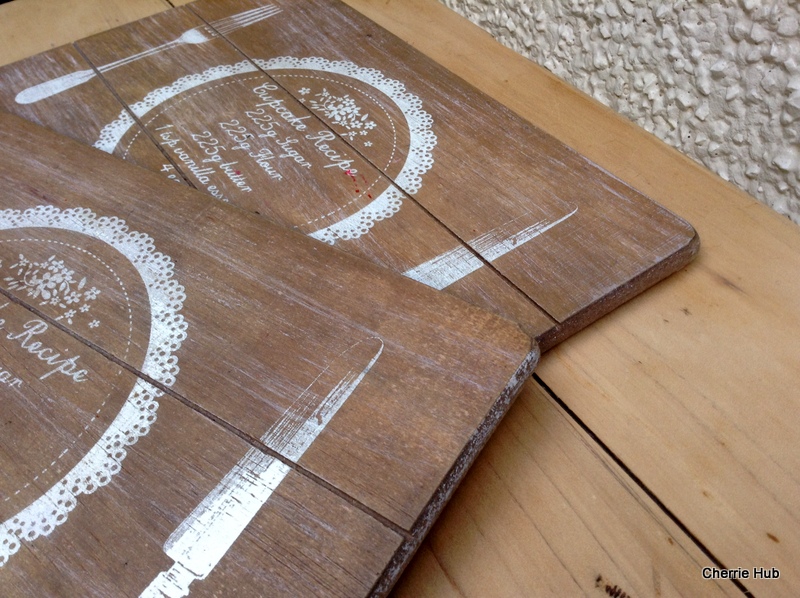
Win a gorgeous set of French Country table mats, simply by following our blog! Add a touch of shabby chic to your table with these four wooden place mats. Here's how to win them:

  1. Click 'Join this Site' in the right hand panel
  2. Log in with your favourite social media account
  3. Click 'Follow this blog'
  4. Congratulations - you're in the draw!

Competition ends 30th September, and the lucky winner will be announced here on our blog on Friday 2nd October. Good Luck!


More competitions at ThePrizeFinder - See more at: http://www.theprizefinder.com/content/french-country-place-mats#sthash.qQazBsBD.dpuf  
Free to enter competitions and giveaways in the UK. Win great prizes and freebies.  
Competitions UK at AllUKCompetitions.com
UK Competitions and Prize Draws at UKwins: http://www.UKwins.co.uk  
OfferOasis.co.uk - Competitions and Freebies in the UK

Crash diets - why they never work?


Image by Boots WebMD

I have been on a diet most of my life. Cabbage diet, meat diet, fasting - I tried it all. Some of these crash diets give instant results - and you lose weight. But the moment you finish the diet and start eating normally, the weight comes back with a vengeance - and yes, you actually put on weight. What is the reason for that?
The explanation is very simple, once you understand the mechanics of your digestive system. If you start the crash diet, your body suddenly is faced with smaller portions to survive on, and a sparser selection. Therefore to protect itself, it slows down the metabolism - the speed in which the food is digested. It's like the defence programme. You can notice the transition on the first day of your diet, when you feel hungry, anxious, nervy, it's your body letting you know there's something wrong, the feeding routine is disturbed. But, on the second or third day of your diet, you feel better, your body gets used to smaller portions, it's because the digestive system slowed down and it burns the calories slower to distribute the energy for longer time.
Image by: wholefoods-diet.com

But hey, presto, you finish your diet - you have visibly lost weight and are happy with the results. When you want to treat yourself and have a well deserved Sunday roast, your body is still on the old digestive programme. Slow, steady one. So suddenly it is faced with roasted meat, fried potatoes and an ice cream...
Image by: beabondgrrl.com

Oh dear, it was unprepared for it! It can only digest that many calories, so the rest unfortunately will be kept as a storage, just in case of another scarce time. You know, like preparing provisions for the winter. Unfortunately, these provisions are stored in the form of fat, and we know where - on the hips, belly and thighs. This is a defence system of your body, and it is completely natural process.
Therefore short-term diets are just that - short term. They give you results, but they don't last. How to get long term results? We'll talk about that subject on Sunday - don't forget to visit us then!

Friday, 11 September 2015

Squeeze to be more productive!

Wee Critter Puff by Office Playground

It’s OK to squeeze, tap, or doodle your way to better productivity. Research by New York University into how “fidget widgets”—like the objects on your desk that you fiddle with during the day—might affect productivity suggests that fidgeting can actually improve performance on primary tasks.

Original post can be found here

Thursday, 10 September 2015

Doctor Foster - gripping new BBC drama


I have finally done it - I sold my car - yipee :) Oh, what a relief, I can sit back and relax now. No more carrying heavy boxes, no more queueing at the car boots, what a joy. I will probably miss driving a little, but before I bought a car I got along nicely walking, and it won't hurt me this time :)
I watched fantastic British drama on BBC One last night, right after Great British Bake Off. It was 'Doctor Foster' with Suranne Jones. The main review in Guardian states: 'gripping portrait of a marriage slowly being poisoned' - intriguing, isn't it? It's a story of 30-something married couple with a small child. The guy actually turns 40 in the first episode and celebrates his birthday. But the real action starts one morning, when the wife finds a single blond hair on his scarf (she herself is a brunette). Where does it come from? In what occurrence did it get there? She cannot take her mind of it, but she's at work and has to deal with her patients - she's a psychiatrist. It's very difficult to focus on their problems, when her own life is tumbling down. But she remains strong and wants to get to the bottom of the alleged affair - is her husband really cheating on her? Which blond woman can be involved? Does she know her?
She cannot focus on the everyday routine and decides to follow him one day. She discovers there's 2.5h gap between the time he locks his office and returns home - but turns out he drives to his mother's care home straight after work... Is Gemma paranoid?
But she persists, she needs to know the truth. For a small bribe, one of her patients agrees to follow her husband, and cue the drums rolls... Yes, he's with a blond woman and they are kissing. Quick check of the car plates reveals it's one of their mutual friends - blond lady in her 40s... Gemma cannot believe it - how could he do that? They are so close, have this wonderful life together, and this is such a massive blow. And with her friend! She's lost. Her patient gives her a tip - 'Check his car boot, he's getting stuff from it while he's with the other woman'.
Gemma needs to check it. She borrows her husband's car keys and looks into the boot, but there's nothing there... That can't be the clue. She locks the car, and is about to walk away, when she takes another look. Yes, under the boot mat, next to the spare wheel, there's a backpack. Inside, a mobile phone, shorts, notepad... He's got another mobile phone? And to a shock horror, the screen bears a photo of him and a friends' daughter on his lap... Yes, he is having an affair, but not with the friend - with her teenage daughter! There's more, photos of all of their friends and colleagues, trips to the beach, barbecues... It seems like he's leading a double life. And everybody knows about it apart from her... Even her clinic assistant is covering for him. That's too much, how to deal with this situation?
I don't know what I would do. I'd be hurt, wanting to scream and run away. But Gemma remains calm, walks to her husband and gives him a birthday kiss. After all it's a party. With all their friends around. She looks at them through different eyes now, she spots the side glances, lingering touches, enigmatic smiles. She enjoys the spectacle and slowly starts to plot the revenge...
I cannot wait to watch the second episode next week, absolutely fantastic and gripping drama and proves once again the quality of BBC programmes. Well done to them!

Wednesday, 9 September 2015

12 South American Foods You Must Try!

One of the most exciting bits about travelling is trying out your favourite foods at the source. We all know there’s nothing like eating Pad Thai in Thailand, curry in India, tagine in Morocco or a big fat burger in the USA.
So what about South America? What foods are Argentina, Brazil and Peru famous for? If, like me, you’re the sort of traveller who makes a note of the local delicacies before you arrive, then read on. Get the low down on the must-eats for Peru, Brazil, Colombia or Argentina with my list of 12 foods that you really have to try when travelling South America.
Ceviche
Image courtesy of Charles Wagner on Flickr


CEVICHE – PERU

Contrary to popular belief, South American food isn’t all meat and carbs. Found all across the coastal regions of Latin America, by far the best place to try ceviche is Peru. Ceviche is a seafood dish of fresh fish served in a zesty marinade of lime juice and chilli. It’s a cold dish, where the acidity of the marinade is what ‘cooks’ the fish from raw. Sounds weird, but tastes amazing. You’ll find it in street stalls, food markets and restaurants across the country but head to Lima, the capital of ceviche, to try the best in the world.

EMPANADAS – ARGENTINA

It’s no surprise that us Brits, with our pasties and pies, go mad for empanadas. These little South American pasties are the staple street food found across the continent. You simply can’t visit South America without trying one, it’s just not possible. Particularly in Argentina, you’ll find all kinds of flavours and fillings, from the standard beef and cheese fillings, to creamy sweet corn and veggie spinach and ricotta. Across the border you’ll find regional variations, with meaty salteñas in Bolivia and deep fried Pastels in Brazil. Empanadas will be your South American comfort food.
Empanadas
Mmmmmm-Empanadas

STEAK, CHIMICHURRI AND RED WINE – ARGENTINA

Argentina is world-renowned for steak and for good reason too. Argentinians are passionate about beef, so asados and parilladas (barbecues and mixed grills) are their speciality. In Buenos Aires, you can get a huge, juicy steak and bottle of red wine and pay the same price as a pizza back at home. Make sure you order your steak with the classic Argentinian chimichurri, a sauce made with parsley, garlic, oil and red wine vinegar. Wash it down with an Argentinian Merlot and you’re in steak heaven.
Chimichurri
Ingredients to make Chimichurri. Oh come on you know what a steak looks like! Image courtesy of Dominic Lockyer on Flickr

CUY (GUINEA PIG) – PERU

If you’ve ever had a pet guinea pig, we recommend that you look away now. Guinea pigs, known in Peru by their Quechuan name cuy, originate from the Andes and just so happen to be a national delicacy. Yes, I know it’s weird, but after seeing it on the menu in numerous high-end restaurants and during an annual food festival, it’s hard not be curious. Some say it tastes like chicken, but it has also been compared to rabbit or pork.

COXINHAS – BRAZIL

Brazil is a haven for street-food lovers. Brazilian food is a mix of indigenous dishes and Portuguese/African influences which really reflects Brazil’s exotic culture. One of the most popular street foods Brazil are coxinhas, delicious deep-fried balls of creamy shredded chicken. Made better with a fresh tomato salsa, you’ll go mad for these little fried goodies.

AJI AMARILLO – PERU

Aji amarillo is a yellow chilli pepper native to Peru and used in all sorts of Peruvian dishes. This hot yellow chilli pepper has very distinct taste and gives traditional Peruvian dishes such as aji gallina (hen curry) and papa a la huancaína (potatoes in a spicy cheese sauce) their colour and flavour. Sadly for us, we can’t get hold aji amarillo very easily in the UK, so make the most of it while you’re in Peru and feast on aji gallina and papa a la huancaína.

AREPAS – VENEZUELA AND COLOMBIA

As such a big continent, there are many regional variations of South American food. However, certain ingredients form the basis of all variations of food. The same maize flour that is used to make tortillas in Mexico and tamales in Peru, is used for arepas in Venezuela and Colombia. These little corn flatbreads are served with cheese, avocado, egg, or jam and can be eaten for breakfast or an afternoon snack.
Arepas

FEIJOADA – BRAZIL

This meaty black bean stew is often considered as Brazil’s national dish. Made with various trimmings of salted pork and beef, this hearty chilli is cooked in a thik clay pot and served with a variety of sides or alone. Yet another tasty addition to Brazil’s impressive street-food menu, meat-lovers must try feijoada. Vegetarians can sample feijao com arroz (the beans and rice without the meat!).

DULCE DE LECHE – ARGENTINA, URUGUAY AND BEYOND

If you’ve got a sweet tooth, then you’ll have to try dulce de leche. All across South America, particularly in Uruguay and Argentina, there is an obsession with dulce de leche – a sweet and creamy caramel confection. So intense is this love for dulce de leche, that during the World Cup, the Uruguayan football team partly-blamed their defeats on having their stores of dulce de leche confiscated by Brazilian customs. Yet another staple in a South American diet, you could find dulce de leche served with ice cream, in an alfajores biscuit, piped into churros or just spread on toast! This leads me on to another sweet treat
dulce de leche
Sweets made with delicious Dulce de Leche

PICARONES – PERU

If you like churros, you need to try picarones. These Peruvian doughnuts, found in street stalls and food markets, have their distinctive orange colour from the sweet potato and/or pumpkin in the ingredients. Sweet and sticky, rolled in cinnamon and sugar, these are the ultimate Peruvian street snack.

PISCO SOUR – PERU

So after all this talk of food, I bet you’re wondering about the beverages. Aside from your Cusquena beers and bottles of unnaturally yellow Inca Cola, Peru’s national drink is the Pisco Sour. Made from pisco, a brandy commonly drunk across Peru and Chile, egg white, lime juice and bitters, the tangy Pisco Sour should be your cocktail of choice when eating ceviche. Peruvians love it so much they even have a National Pisco Sour Day!
Pisco Sour

YERBA MATE TEA – ARGENTINA

You won’t be long in Argentina before you’re offered mate. Pronounced mah-tay, this traditional Argentinian tea infusion is drunk through a metal cup and straw. Yerba mate is the traditional caffeinated drink enjoyed at all times of day and is found in the form of loose leaf or in teabags. It’s an acquired taste, but as Brits who love a brew, make sure that you join in the Argentine ritual of mate drinking…

Tuesday, 8 September 2015

Budget Travel Pt 2 - Food


Second part of our Budget Travel Series focuses on another major expense on your journey - food! It is necessary, you will not avoid it and after accommodation it will be your number 2 expenditure. So eating on your travels can be as cheap or as expensive as you want. Some people, including me, hate counting pennies on holiday. I want to try a quesadilla from a street vendor or stop for few cocktails in this little beach bar... Holiday on a budget is a challenge, but there's way. A good thing to have is a daily budget you're allowed to spend on the whole trip. So before setting off, know exactly how much money you take with you. Divide this amount by the number of days of your trip. Also include the attractions you want to see. That way you will know how much money you can spend daily. We will devote a separate blog post on a travel budget later on. If you stop by few cocktails, maybe skip dinner that night? Or cook your own lunch the next day? Below we prepared few tips on saving money on food when travelling:
  1. Cook meals yourself. Yes, if you have an access to the kitchen in your hostel or rented home, this is one good way to save money. Go to the local supermarket (where the locals go) and buy what you fancy. Try their local specialities, don't be afraid to experiment and you might be pleasantly surprised. If you don't want to risk buying what you don't know, pick the items you're familiar with: pasta, rice, veggies, fruits, bread, milk and cheese.

  2. Eat from a set menu - when going to the restaurants, ask if they offer set menu (El Menu del Dia) - it will be generally cheaper then their main menu. Remember that they rarely make profit on the set menu, so they will be offering you extra drinks. Order them if you fancy, but you're not obliged. 
  3. Pay for the meals a month in advance. If you're in one place for longer, think of booking a lunch in local eatery - 3, 5, or even 7 times per week. That way you know you'll get a cooked meal at a set price. Ask for a discount if you pay for a month in advance. This option could work if you know you are stationery in town - you work from home etc. But if you know you will be travelling to local areas, you might not want to commit yourself to coming back at a certain time everyday for food - so worth considering that. 
  4. Eat where the locals eat. Yes, that's no secret that tourist restaurants can be 10 times dearer then local eateries. How to tell the difference between the two? See if the menu is billingual. If it is, it's a tourist spot. I usually try to avoid these places, the food is not the best, and the prices are over the top. The chefs know that tourists won't come back, they're here for the night and be somewhere else tomorrow anyway, so no point making an effort. Local people know the best eateries at the best value. In these places you will be served quality, delicious authentic food. When we went to Sri Lanka to one of the local bars, we were even allowed to come to the kitchen and pick what we wanted, because there was no menu in this particular place (it was more of a family affair for very local people) and nobody spoke English. But we got 7-8 different curries and rice, and it was a fantastic experience. 
  5. Try street food. Don't shy away from it, it is not always unsanitary and full of germs just waiting to get you! The street vendors offer little snacks that are typical to the area, so if you want to try authentic cuisine, it doesn't get better than that! One tip - go to the vendors in the busy spots, by the main roads - the food is guaranteed to be fresher there because it is being made and sold almost right away, so you know it hasn't been lying there for hours. 
  6. Challenge all you can eat buffets. These are excellent value places, and you can try as many dishes as you want. Only go there if you're ready for a challenge of polishing a big plate!
  7. Make your own distilled water - fresh water is a must-have in a tropical country. You will be probably going through few bottleseach day. Even if it's cheap in the shops, buying 3-4 everyday will affect your budget. Our tip - boil a full kettle night before - if you have a private kitchen - and let it cool overnight. Fill up few small bottles the next morning, and voila - you're set for the day and saved yourself few £ :)
  8. Prepare your own packed lunch. If you want to have a rest from restaurant food, make your own sandwiches or salads for the day. Go to the local market in the morning and buy few simple products, like cheese, butter, bread rolls, fruits and snacks. Get them ready in the kitchen before setting off for the day. Great option if you go hiking in some remote area and want to take some provisions with you. 
  9. Don't be afraid to make mistakes - it's all part of the experience. I still remember my first visit to the grocery shop in Rio de Janeiro, I bought intriguing looking packet that turned out to be dried rice noodles, inedible blobs that looked like granary rolls and box of corn granules. Basically this food could have only been cooked, yet I did not have access to the kitchen - mistake I learnt from! Needless to say I stayed hungry that night, but was happy that I was brave enough to try something new and didn't go the easy 'restaurant' route :)

See also: 
Budget travel pt 1 - Accommodation
Budget travel pt 3 - Getting around

Monday, 7 September 2015

Selling Car not as easy as Pie


Yes, selling the car is not that easy. There's plenty of ways to get your car seen, but because this is not a simple purchase, buyers can be discouraged at a drop of a hat. I remember how picky I was when I was buying my car. First of all you don't know the history of the car, if it has been in an accident, are there any problems that will need to be fixed? There's always something wrong with a second hand car, and it will never be in pristine condition.

But I don't despair yet, I drive with the big cardboard sign on the dash - 'For Sale' with my phone number, and also description on the side windows. I try to park by busy roads, so many passing drivers can see me. I have read somewhere that it's good to park in the supermarkets car parks - I've done that over the weekend, picked a spot facing the main entrance and parked up (for the allowed time). Car boots are good as well, I had few people asking me about the car when I took it to the car boots over the weekend.

If I don't sell it by 20th September, I'll take it to the local car auction, I might get less then I wanted - they will probably buy it off me to re-sell - but even £200-300 profit is better then none.


On more positiver note, I went through some of my old stuff, and found original 1960s Parker Pen - worth around £45. I must have bought it with an auction lot at some point. Lucky that, I have already photographed it this morning and listed on ebay. And just finished baking Brie & Spinach Pastry Pie - mmmm, time for lunch :)

Sunday, 6 September 2015

Budget Travel pt.1 - Accommodation


Here we go, new three part series on budget travel. Tips on saving money, looking for cheaper options and not paying over the odds just because your from 'Grongolandia'!
First part is all about accommodation. This will be the biggest chunk of your travel budget - staying in hostels, hotels b&bs. We'll look into cheaper alternatives so you don't end up out of pocket.
  1. Never ever ever book a hotel in advance for the whole stay. First few nights in new place is fine (recommended even) - you need to know you have somewhere to go when you step out of the plane - just for your peace of mind. But don't book the hotel for the whole journey - you will most likely pay full price, and you never know if that's the hotel with the best location / atmosphere. Look around, once you've arrived, and ask about the prices in local hotels. That way you will pick the location you like, you will see the hotel and the room up close, and the staff will usually give you a discount on the night just to fill up the hotel. Even smaller profit for them is better then keeping the room empty for the night!
  2. Staying in one place longer is much cheaper then moving around. That of course works if you are travelling long term, you're on a gap year etc. If you stay in one place for a month or longer, ask for better deal at the hotel / hostel if you pay in advance. You will most likely get 30% off the full price. Also ask if there's further discount if you don't take the breakfast. By the end of the day, you will most likely be served tea and toast, and for the money saved you could grab something in town!
  3. If you have to travel somewhere long distance, like 200km to your next destination, take a night train. You will save the money on overnight accommodation, and don't waste the whole sunny day stuck on the train.
  4. Rent a room or apartment. It will be way cheaper then paying for each night at the hostel. Look for adverts in local papers or estate agencies. If you don't know the language, ask a local person for help. For £5-10 they could go with you through adverts, make calls and translate. You can even go for 2 bedroom apartment in central location (large busy towns) and sub-let the spare room to the tourists - now that's a smart way! Just make sure it's a tourist destination, and your prices are competitive with local hotels. Put few adverts around town, local shops, or even Air Bnb. You might need to get a local sim card (if you have unlocked phone) so people will call you on a local number (and you don't pay the roaming charges back home).
  5. Try home sitting and stay rent-free! Yes, you can look after someone's home when they're away and don't pay for accommodation! That requires preparation in advance, ideally before you set of for travels. Create house sitting profile on specialists websites: TrustedHousesitters and HouseCarers. These sites connect home owners with house sitters. Most likely you will be required to look after the pets (dogs, cats, sometimes farm animals). So experience is preferred. 
  6. Couchsurfing. I haven't tried that myself but it's an option to stay in someone's place for free for up to few nights. You might get a couch, spare bed or even own room! There's few sites connecting people together, most popular without a doubt is Couchsurfing.com Check it out and set your profile now!
  7. Work exchange (WWOOF-ing). You can live and work on organic farms, help with a work load, and stay on the premises. Great deal, but requires a lot of hard labour - if you're prepared to do it on your travels. Look at it as a working holiday. In some places you can stay free, but in some you will be expected to pay for the accommodation, still it will be much cheaper then the hotel, and you'd probably get meals in that price too. Check this site: WWOOF International
  8. Volunteering. That's a fantastic option. You can volunteer for nature / animal preservation organisation and help them with their work. In exchange you will stay with the group of volunteers rent free. That doubles as amazing experience, you could be saving rare species of animals, teaching local kids English or help comfort victims of domestic abuse. You will make a difference to local communities, contribute and meet amazing people in the process. Start here: Workaway.info
  9. Try Homestays – similar to apartment rentals and Couchsurfing, homestays are just like they sound — you stay at someone’s home for a set amount of time — but the difference between this and the other options is that for a set price (usually a couple of hundred dollars per week), meals and language lessons with your hosts are also included. You find a lot of these in developing countries, particularly Central and South America, where they are very widespread. For safety reasons, recommended to couples and single males only.
  10. Home exchange. Now that's a different level. Have you seen movie 'Holiday'? It's like that - you exchange homes with someone else who's willing to stay in your place, for a set period of time. This method works best for older travellers who already own a home. Home exchange programs have been around for a long time but are growing in popularity due to good marketing and word-of-mouth. Home exchanges are just like they sound — for a set amount of time, you exchange homes with a family from another country.Most people don’t do this because they worry about security — but remember the other family trusts you with their home, too. Moreover, websites that facilitate home exchanges usually have various levels of verification and security similar to Couchsurfing. Families talk to each other over phone and e-mail, and there’s no commitment if you find that it’s not right for you. Sounds interesting? Check this site: HomeExchange.com

See also:
Budget travel pt 2 - Food
Budget travel pt 3 - Getting around

Saturday, 5 September 2015

Saturday planking...


Car boot sales are fun. Especially if you have plenty of small items to get rid of, or have a house clearance. Especially now in the Summer they're booming. And they still will be going until October, as long there's a good weather. It can't be raining for too long, because most of car boot sales are outdoor, on the fields. Today's car boot was fantastic, topped up my sales this week, and it means that the holiday budget is rising. Hip hip and all that.
There was supposed to be someone coming to view the bed this afternoon, and they just texted and cancelled. And I actually cleaned the house this morning, hoovered, especially under the bed, and changed the bedding. Never mind at least it's done, and I would do it anyway over the weekend. So silver linings and all that.
Now, please excuse, I'm going to practise planking in the fresh bedding until tomorrow. Ta!

Thursday, 3 September 2015

Travel Safety - Top 10 Tips


Going to Central America, the main concern (for me and my parents) is the safety. My parents are very worried, as the main source of information about these countries for us here is the news. And let's face it, only the worst cases make the news - robberies, mugging, thefts and so on. Nobody talks about 99% of peaceful travellers, only extreme 1% actually make it to the news. But from experience I know that what you hear on tv is rarely true, and all of my travels were completely trouble free. Of course, you have to keep the common sense about you, because there are some shady characters. But as long as you stay in the safe area, have eyes wide open and be sensible you should have enjoyable holiday.
That safety concern also inspired my today's post: 10 tips on staying safe on your travels:

  1. Look confident. When you walk around town, don't behave like a tourist, don't walk slowly, looking around and appearing lost. You want to look like locals (expats) who know where they're going, walk with a purpose in mind. If you need to look on the map, don't stop in the middle of the road, go to any hotel lobby or a cafe, sit down and then refer to the map. 
  2. If you get hassled by locals, don't appear flustered. Stay calm, don't panic, in some countries these are local 'salesmen' looking for clients for their boat trips, massages, hotels etc. It was happening to us in Sri Lanka almost everyday. I simply ignored them, and they walked away after few minutes, that seemed to work. Engaging in conversation only encourages further hassling.
  3. Keep your eyes wide open. Be aware of your surroundings. Do you see somebody walking for a longer time at the same pace as you? It is rarely a coincidence. Stop by a shop display, look for something in a handbag and see if they walked past. If it turns out they did, don't get fooled, they might sit on the bench around the corner. If that's a persistent type, call a taxi, and ride two blocks away. That should work the magic. 
  4. Dress like a local! Grab some cheap T-shirt and shorts from local market to blend in easier. It's surprisingly easy to tell a tourist from an expat by the way they dress. I can recognise Polish, Spanish, Italian people on the streets of UK just by the way they dress, cut their hair etc.
  5. Don't wear a backpack. It's like wearing a sign - I'm a tourist! No, get a plastic shopping bag from a local supermarket and carry your stuff in one of those when walking around town.
  6. Beware of volcanic areas - like Central America, Hawaii etc. Areas near active volcanoes often have toxic running water. So taking a shower may cause serious skin irritation. Volcanic ash may cause sort-term chemical changes in water quality, when it's got contact with open water-supply systems (uncovered reservoirs, lakes, streams, and water-catchment systems). Luckily the recorded cases are rare, and the contamination is short-term (few hours to few days), but you need to be aware of the risk. 
  7. If you see somebody walking your direction looking aggressive, look directly into their eyes, and ask a question. Ask a direction to the post office or a beach. That will put them in a different state of mind because they will have to think of an answer. You will confuse them and they will change their initial plan (whatever that was). 
  8. Taxi fair from the airport if the most risk-prone of all. By the end of the day you still have ALL your belongings with you, you never had a chance to leave your laptop, cash or passport in the hotel. So the taxi ride from the airport should be only arranged with the accredited taxi booking service at the airport. Don't get offered a cheap ride from the 'taxi drivers' waiting in the lobby. They might leave you high and dry in the middle of nowhere, driving away with all your belongings. 
  9. Have two different wallets on you - a 'dummy' and a proper wallet. In case of a robbery, don't resist (the attackers often carry knives). Just give them the 'dummy' wallet with some cheap card and few notes, so they run away before analysing the fact. Also 'dummy' wallet sits in the back pocket, proper wallet deep inside your trousers. Get one with the clip, so you can attach it inside the waist belt. 
  10. Bring some strong cable lock with you. When you take a bus or a train, these are perfect to secure the bag around the rail or the seat, so you can relax and travel care free knowing that no one will take your bag when you're not looking.
And remember about law of attraction. You attract what you radiate. It works on travels too! If you focus on avoiding accidents, think all the time about dangers around you, you might attract these. Relax, enjoy your trip and believe that only good things will happen to you. And only good things will come your way!

Wednesday, 2 September 2015

Vaccination project continues...


As you know, I'm in the process of sorting out my vaccines before travelling (ouch, my arm still hurts from yesterday!), and Hepatitis B and Rabies are on my mind right now, should I, should I not? They will seriously affect my budget, and they are not required (only recommended) for South America. They cover extreme cases, like infection from bodily fluids or being bitten by an animal, but these things can happen anywhere, and when you think about it, they don't happen that often, unless you've got a medical or veterinary job. So I'm on the verge of not taking them, just getting good health insurance, which would work out cheaper then both of these vaccines. It could be a better solution.

On more optimistic hand, I have finally cut my hair today, managed to track down my favourite hair stylist, who went mobile, and found her place. First hairstylist, after 11 years of looking, who is actually listening to what you want. Found her only now, when I'm about to leave the country, boo.. Never mind. My next haircut will be done in South America - and I bet this will be an experience - I better focus on learning Spanish phrases for 'short choppy bob', it could be more useful then knowing days of the week :) Miercoles!

Tuesday, 1 September 2015

Update on Malaria Tablets

I'm absolutely shattered today, had a busy day, but I promised myself to stick to the plan no matter what - and the plan says write a blog post every day, so here I go. Apologies if it doesn't make sense, though. If you feel like skipping this one, I won't take it against you, I'll take it as an excuse to jabber on...
Anyway, I'm glad I have pushed myself to wash, vacuum and wax the car yesterday, and now it shines so amazingly, I'm really proud. I took all the photos of exterior, interior and the engine, to list it online. I also prepared few 'For Sale' ads which are now fitted in the car - I already had one guy asking me about the car, so they must be working!

I was at the surgery today to get necessary vaccines for the travel. It turns out that my Hepatitis A and Yellow Fever are still valid, so I only got the Typhoid jab today. I thought I already had Hep B before, but apparently it's not available free on NHS, it is necessary to pay for it, and the cost of 3 set of jabs is about £130. But when I read a little bit more online, it turns out that most adults received basic Hep B vaccines as kids which are enough for everyday life, unless you work in health industry. It basically covers from any contamination when you're in touch with bodily fluids. But for most adults the early years' vaccines are perfectly enough.


Now, with Malaria tablets, you can actually get them from Boots or larger supermarkets with their own pharmacy section. It's even better to buy them over the counter, as getting them on NHS is the most expensive way. You can also order malaria tablets online, if you fill in a questionnaire about your health, other medications you're currently taking and treatment history. The cost online starts at about £20 and depends on the time you spend in the Malaria risk area. You need to take the tablets few days before your trip, everyday while you are there, and continue for up to 4 weeks after you come back. You don't need to take tablets all the time you are in the country with Malaria risk. Large cities and high altitude places are usually Malaria free. Only if you decide going on the jungle treck or a back-country trip, this time counts only as high-risk.

The most common Malaria tablets are: Malarone, Doxycycline and Lariam, which are all available online. Apparently Malarone is the safest, you take the tablets for the shortest time, and they have got no side effects. Yet they are most expensive. Lariam and Doxycycline are little cheaper, but you have to take them for longer time, and they have number of side effects, from greater sensitivity to the sunlight, nausea to anxiety. But I think, with every medication, this information is included just for warning, but the chance of risk could be small.
I will look into that a little bit deeper tomorrow and try to sort it out. Thanks for sticking with me up till now dear reader, have a lovely evening!